
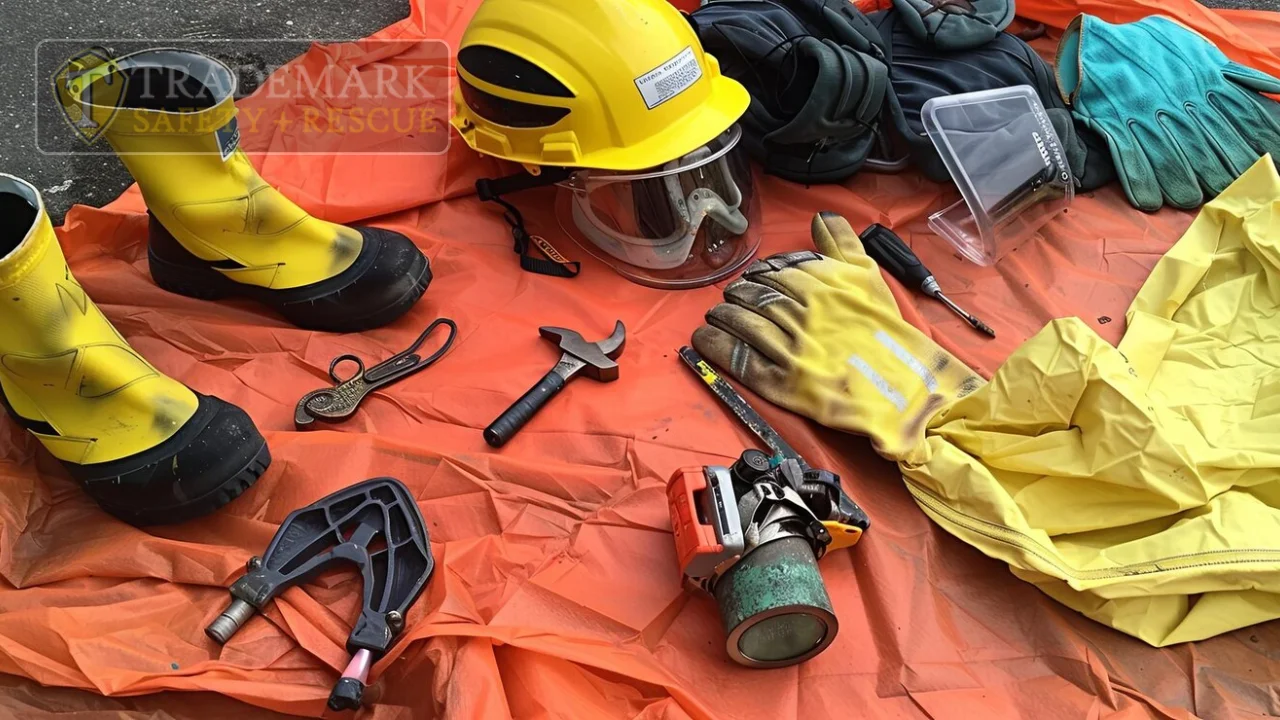
Working in confined spaces is a high-risk task that demands preparation, vigilance, and the right tools. Whether it’s tanks, silos, sewers, or underground vaults, these spaces present unique hazards—low oxygen levels, toxic gases, or restricted movement—that can quickly turn routine work into serious safety hazards. This is where the right confined space equipment becomes not just useful, but essential.
At Trademark Safety + Rescue, we understand that having reliable, certified gear can play an important role in supporting safer operations and emergency readiness. From detection devices to personal protective equipment (PPE), every piece of gear plays a crucial role in ensuring worker safety.
In an enclosed environment, things can change in a heartbeat. Being prepared is critical to helping your crew work safely and reduce the likelihood of accidents.
Why Proper Confined Space Equipment Matters
The risks associated with confined spaces are often underestimated. Many people think they can “smell” a problem or “feel” when the air is getting thin, but that is a dangerous mistake.
Workers often face oxygen deficiency or enrichment that isn’t visible. There is also the constant threat of flammable or toxic gases, or even engulfment hazards in loose materials like grain.
Key Types of Confined Space Equipment
Confined Space Equipment: Essential Gear for Safety
Every site has unique needs, but this core set of gear should never be left in the truck.
🔥 Gas Detection Systems
Before anyone enters a space, monitoring the air quality is the first move. Gas detectors measure oxygen levels and sniff out hazardous gases like carbon monoxide or methane. Modern portable and wearable detectors offer real-time alerts, giving workers the seconds they need to evacuate if the air turns sour.
🔧 Personal Protective Equipment (PPE)
Even when the air is clear, the physical environment inside a tank or vault can be brutal. PPE is a critical layer of protection when other safety controls are in place. This includes hard hats, safety goggles, or gloves resistant to chemicals and abrasions. High-quality PPE keeps minor scrapes from becoming major injuries.
😀 Harnesses and Retrieval Systems
Rescue in confined spaces is challenging if you’re unprepared. Full-body harnesses connected to mechanical retrieval systems allow a worker to be lifted from a danger zone safely. Tripods, winches, and specialized rope systems are designed for cramped quarters where every inch matters.
🌫 Ventilation Equipment
Stagnant air can quickly create dangerous conditions. Proper ventilation prevents oxygen depletion and clears toxic fumes. High-powered fans, blowers, and ducting systems keep fresh air moving. Portable ventilators are recommended because they can be repositioned as the job progresses.
📞 Communication Tools
You cannot have a worker “off the grid” while in a hole or tank. Two-way radios and hands-free devices ensure instant communication between the worker inside and the supervisor outside. Any warning sign is reported immediately, allowing a coordinated response in seconds.
Best Practices for Your Gear
Even the best confined space equipment must be used correctly to be effective. Equipment must be part of a larger safety system.
Training: All workers need hands-on time with the gear. They should know how to calibrate a monitor and how to hook up a winch in total darkness.
Pre-Entry Inspection: Every piece of gear should be checked before every single entry. If a harness is frayed or a monitor hasn’t been “bump tested,” it doesn’t go into space.
Routine Maintenance: Gas detectors need regular calibration. Mechanical systems like winches need servicing to ensure they don’t seize up when you’re pulling a person to safety.
Documentation: Keep a log. Documenting your inspections and maintenance isn’t just for the auditors; it’s how you prove your safety program is actually working.
Choosing the Right Supplier
When you invest in confined space equipment, you are really investing in reliability. Trademark Safety + Rescue offers a wide range of certified, durable products built specifically for these high-stress environments. Our team doesn’t just sell boxes; we provide the guidance needed to pick the specific tools for your environment, helping support appropriate protection for your workers and job conditions.
CONCLUSION
Confined space work always carries risks, but proper equipment and safety procedures can help reduce the likelihood of accidents. From gas detectors to harnesses, each piece of gear helps reduce risk and improve worker safety when used properly.
At Trademark Safety + Rescue, we are committed to providing more than just products—we provide peace of mind. Equip your team, follow the rules, and always put safety first.
FAQ’s
Confined space equipment includes tools and safety gear used to protect workers in enclosed or restricted spaces, such as harnesses, gas detectors, and rescue devices.
It ensures worker safety by preventing accidents, detecting hazards, and providing emergency rescue options in dangerous confined spaces
Essential equipment includes gas monitors, safety harnesses, lifelines, ventilation systems, helmets, and personal protective equipment (PPE)
All equipment should be inspected before each use and regularly maintained according to manufacturer guidelines and workplace safety regulations.
Alex Thompson, Canada
★★★★★
I am very impressed with the quality and reliability of the confined space equipment from Trademark Safety + Rescue. Highly recommended for workplace safety!
Leave a Reply