
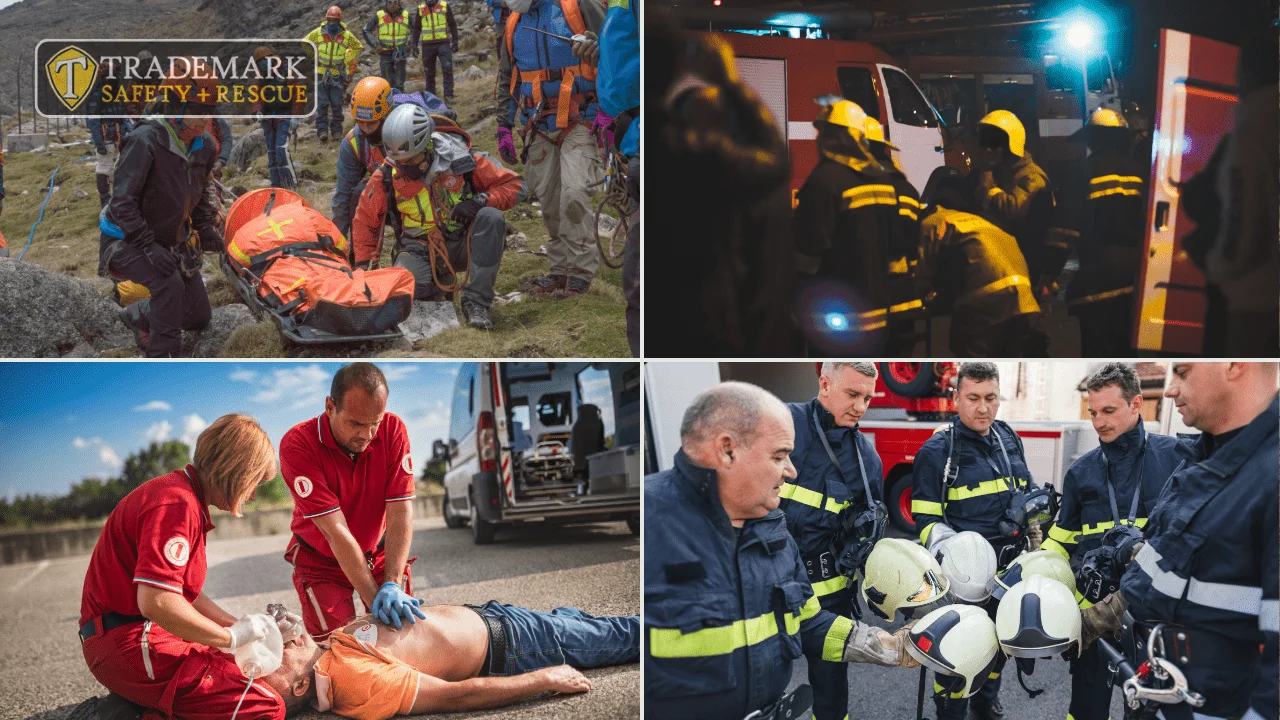
4 Common Types of Confined Space Rescue Teams Explained
Confined space emergencies can happen without warning, making proper rescue planning a critical part of workplace safety. From tanks and vessels to pits, silos, and underground areas, these environments can expose workers to serious hazards such as toxic atmospheres, oxygen deficiencies, falls, and limited escape routes.
Understanding the common types of confined space teams helps employers choose the right emergency response approach and better prepare for situations where every second matters. A rescue team is not simply a group of people who respond after an incident occurs. These teams require specialized training, proper equipment, and clear procedures to support worker rescue efforts while helping reduce risks to rescuers and affected workers.
Learn MoreWhy Are Confined Space Rescue Teams Important?
Confined spaces present unique risks because traditional rescue methods may not be effective. A worker who becomes injured, unconscious, or unable to exit independently may require specialized equipment and trained responders to support the rescue process.
A properly prepared rescue team can help workplaces:
- Respond quickly during emergencies
- Reduce risks to workers and rescuers
- Follow established emergency procedures
- Handle complex rescue situations effectively
Before any confined space entry begins, employers should identify potential hazards and determine what type of rescue support is needed.
What Are the 4 Most Common Types of Confined Space Rescue Teams?
Different workplaces require different levels of rescue support. The right choice depends on the type of confined space, possible hazards, frequency of entry, and complexity of the work.
The four most common rescue team options include:
1. On-Site Confined Space Rescue Teams
On-site rescue teams consist of trained employees within an organization who are prepared to respond during an emergency.
This option is often used by workplaces that regularly perform confined space entries and have the resources to maintain a trained rescue group.
These teams are typically trained in:
- Confined space rescue procedures
- Emergency communication
- Hazard recognition
- Rescue equipment operation
- Worker retrieval techniques
However, maintaining an internal rescue team requires ongoing training and regular practice. Equipment inspections and emergency drills help ensure team members remain prepared.
2. Standby Rescue Teams
Standby rescue teams remain available near the work area while confined space activities are taking place. Their purpose is to provide immediate assistance if a worker experiences an emergency.
Having a standby team can help minimize potential response delays because trained personnel and rescue equipment are already available.
Their responsibilities may include:
- Monitoring entry conditions
- Maintaining communication with workers
- Preparing rescue equipment
- Beginning emergency response procedures
Standby teams are commonly used during planned confined space operations where hazards have been identified in advance.
3. External or Contract Rescue Teams
External rescue teams are specialized providers hired from outside an organization. They can be a suitable option for companies that do not have the resources or need to maintain their own internal rescue team.
Organizations may use external rescue services when:
- Confined space work is performed occasionally
- Advanced rescue skills are required
- Workplace hazards are complex
- Additional emergency support is needed
These teams bring specialized knowledge and experience to support confined space emergency response planning and operations.
4. Technical Rescue Teams
Technical rescue teams handle more complex confined space situations that require advanced training, specialized equipment, or unique rescue methods.
These teams may be needed for challenging environments involving:
- Difficult access points
- Vertical or deep confined spaces
- Multiple workplace hazards
- Complicated worker recovery situations
Technical rescue requires detailed planning because rescuers need to consider both the worker’s condition and the hazards within the confined space.
How Do You Choose the Right Confined Space Rescue Team?
Selecting the appropriate rescue team starts with understanding workplace conditions and potential risks.
Employers should evaluate:
The Type of Confined Space
Different spaces require different rescue approaches. A small opening, underground area, or large industrial vessel may require specific equipment and techniques.
Potential Hazards
A workplace should identify hazards such as:
- Toxic gases
- Oxygen-deficient atmospheres
- Engulfment risks
- Falls
- Mechanical hazards
Training and Equipment
The selected rescue team should have the proper training, experience, and equipment to respond to the specific risks involved.
What Should a Confined Space Rescue Plan Include?
A rescue plan should be prepared before any confined space entry begins. Waiting until an emergency occurs can create dangerous delays.
A strong rescue plan should include:
- Rescue team responsibilities
- Emergency communication procedures
- Available equipment
- Worker training requirements
- Steps for different emergency scenarios
Regular rescue drills also help teams identify weaknesses and improve their response procedures.
Frequently Asked Questions
Confined Space Rescue Planning: Key Takeaways
Confined space safety depends on preparation, training, and having the right emergency response resources available. Understanding the different rescue options allows employers to select a strategy that matches their workplace risks.
Whether using an internal team, standby support, external professionals, or technical rescue specialists, planning supports safer work practices for workers performing confined space tasks. Trademark Safety + Rescue helps organizations strengthen their confined space safety approach through specialized training, rescue planning, and emergency response support.
Ready to Strengthen Your Rescue Planning?
Trademark Safety + Rescue provides comprehensive training, rescue planning support, and emergency response guidance to help organizations prepare effective confined space rescue procedures.
Contact Us Today
Leave a Reply