
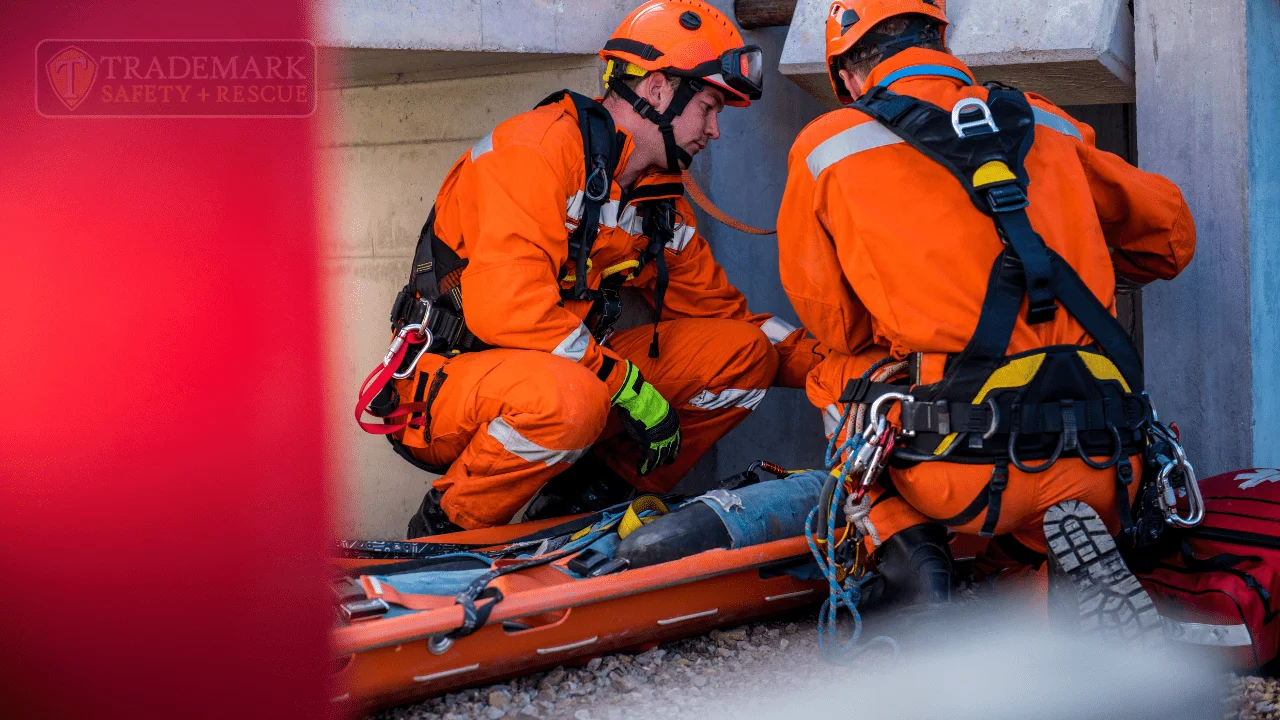
Why Is Confined Space Work So Dangerous?
Working inside enclosed environments is part of many industrial operations, but it also comes with serious safety concerns. One question safety teams often ask is why is confined space work so dangerous? At Trademark Safety + Rescue, this isn’t just a theoretical question—it’s the foundation of how confined space training and rescue planning are built.
The challenge with confined spaces is that they don’t always look dangerous from the outside. Yet once a worker enters, conditions can shift quickly, turning a routine task into a life-threatening situation.
Learn MoreWhat Is Considered A Confined Space?
A confined space is any area that is large enough for a person to enter but not designed for continuous occupancy. These spaces often have limited entry and exit points, making movement and rescue difficult.
Typical examples include:
- Storage tanks and silos
- Sewage and drainage systems
- Boilers and industrial vessels
- Underground vaults
- Pits, tunnels, and pipelines
Even though these areas are common in many industries, they carry risks that are not always visible at first glance.
Why Do Conditions Change So Quickly Inside Confined Spaces?
One of the biggest reasons people ask why is confined space work so dangerous? is because of how fast conditions can deteriorate once someone is inside.
Oxygen Levels Can Become Unsafe
Oxygen inside a confined space can be displaced by other gases or consumed through chemical reactions. When oxygen drops, workers may experience:
- Confusion
- Dizziness
- Poor coordination
- Sudden collapse
High oxygen levels can also increase fire risks, especially in industrial environments where flammable gases may be present.
Toxic Gases Can Build Up Without Warning
Many confined spaces contain gases that are both invisible and odorless, such as:
- Hydrogen sulfide
- Carbon monoxide
- Methane
These gases can reach dangerous levels quickly, often before a worker has time to react. This is why Trademark Safety + Rescue emphasizes atmospheric testing before every entry—because what you cannot see can still cause serious harm.
Why Is Rescue From Confined Spaces So Difficult?
Another key reason confined spaces are so dangerous is the difficulty of rescue operations.
If a worker collapses inside:
- Entry points may be narrow or restricted
- Air quality may be unsafe for rescuers
- Visibility is often very low
- Immediate response is critical
In many incidents, untrained rescue attempts lead to additional casualties. This is why trained standby rescue teams are essential, not optional. Trademark Safety + Rescue stresses that rescue readiness must be planned before entry—not after an emergency occurs.
What Hidden Hazards Make Confined Spaces Even Riskier?
Beyond air quality and access issues, several other hazards can exist inside confined spaces.
Engulfment Risks
Loose materials like grain, sand, or liquids can shift suddenly and trap a worker.
Mechanical Hazards
Machinery such as mixers, agitators, or rotating equipment may start unexpectedly.
Temperature Extremes
Confined spaces can become extremely hot or cold, increasing fatigue and risk of heat stress or hypothermia.
Communication Barriers
Once inside, workers often lose direct line-of-sight communication with supervisors, delaying emergency response.
All of these factors add to the question: why is confined space work so dangerous?
Why Do Accidents Still Happen?
Even with regulations and training in place, confined space incidents continue to occur due to:
- Rushed work schedules
- Poor hazard recognition
- Overconfidence in “safe-looking” spaces
- Inadequate refresher training
- Failure to monitor changing conditions
The reality is that confined spaces demand constant attention, not assumptions.
Trust And Real-World Readiness: Trademark Safety + Rescue
Confined space incidents often happen in moments where conditions shift too fast for an unprepared team to respond. This is where Trademark Safety + Rescue plays a critical role.
The team is not just involved in planned safety procedures—they are present in high-risk, time-sensitive, and emergency situations where every second matters. From standby rescue coverage during confined space entry to rapid response in critical environments, their role is built around one principle: being ready when conditions become unpredictable.
This real-world presence in dangerous operations is what reinforces their focus on training, preparation, and disciplined rescue execution.
Frequently Asked Questions
Understanding The Real Risk
So, why is confined space work so dangerous? It comes down to a combination of invisible atmospheric hazards, restricted movement, and complex rescue challenges that can escalate within minutes.
These environments do not offer second chances. That’s why planning, monitoring, and trained rescue support are essential at every stage of work.
At Trademark Safety + Rescue, the focus is on more than compliance—it’s about ensuring workers go home safely after every job. Because in confined space operations, preparation isn’t optional. It’s everything.
Need Professional Confined Space Rescue Support?
Trademark Safety + Rescue helps organizations improve workplace safety through professional confined space rescue services, emergency response planning, and specialized rescue personnel.
Contact Us Today
Leave a Reply