
Effective Confined Space Rescue Plan For Workplace Safety: Key Considerations
Confined space work can expose employees to conditions that make self-rescue difficult or impossible. An effective confined space rescue plan for workplace safety prepares an organization to respond to those circumstances before anyone enters the space.
The need for rescue planning depends on the hazards involved, the configuration of the space, the work being performed, and the resources available if conditions change.
Learn MoreWhen Self-Rescue May Not Be Enough
A key question during confined space planning is whether a worker could safely exit without assistance if an emergency occurred.
An injury, loss of consciousness, atmospheric hazard, fall, or sudden change in conditions can prevent a worker from leaving independently. Even when an exit is physically accessible, an injured worker may require a different method of removal.
Before entry, the rescue requirements should account for:
- The number and location of entry and exit points
- The size and configuration of the opening
- The possibility of an incapacitated worker
- The distance or route a rescuer may need to travel
- Conditions that could prevent or delay retrieval
- The equipment and personnel needed for the planned response
Thinking through these factors before work begins helps establish whether the proposed rescue arrangements are actually suitable for the space.
When The Space Creates Additional Rescue Challenges
Confined spaces can vary considerably in size, shape, depth, access, and internal layout. Those characteristics can directly affect how a worker could be reached and removed during an emergency.
A vertical space, for example, may present different retrieval considerations from a space with a horizontal entry. Narrow openings, internal obstructions, ladders, piping, machinery, or restricted access around the entry point can create further challenges.
This is why a rescue plan should be site-specific. A procedure that works for one confined space may not address the practical requirements of another.
Rescue personnel should also understand the space and the conditions they may encounter. Where appropriate, the planned rescue approach and equipment should be evaluated against those conditions rather than assumed to be suitable.
When The Work Changes The Risk
The hazards associated with a confined space are not necessarily determined by the space alone. The work taking place inside it can introduce additional risks or alter existing conditions.
Cleaning, maintenance, welding, equipment operation, or the use of particular materials can affect the environment in and around the space. Atmospheric conditions may also change as work progresses.
Consequently, rescue planning needs to reflect the actual task, not simply the name or location of the confined space.
If the work, equipment, materials, or conditions change, the rescue arrangements may need to be reviewed as well. This helps keep the response aligned with the risks workers could realistically encounter.
When Specialized Rescue Preparation Is Needed
Not every confined space emergency can be managed by relying solely on outside emergency services. Depending on the workplace and the hazards involved, an organization may need to establish appropriate rescue capability before entry takes place.
This can involve determining:
- Who is responsible for initiating the emergency response
- Who is trained and available to perform rescue duties
- What retrieval or rescue method is appropriate
- What equipment needs to be available and ready for use
- How rescuers will communicate with personnel at the entry point
- How external emergency responders will be contacted and supported
- How rescuers can access the site without encountering avoidable hazards
An effective confined space rescue plan for workplace safety connects these elements into a coordinated response. The objective is not simply to have equipment or procedures available, but to ensure they correspond with the conditions and rescue requirements identified during planning.
Why Rescue Planning Should Happen Before Entry
Determining a rescue strategy during an emergency can create additional challenges, which is why the response should be considered before entry.
Pre-entry planning provides an opportunity to assess foreseeable scenarios, establish responsibilities, confirm equipment requirements, and address access or communication issues while there is still time to make adjustments.
It also gives supervisors, attendants, entrants, and rescue personnel an opportunity to understand their respective responsibilities. Everyone involved should know how an emergency will be communicated and how the planned response is expected to proceed.
Importantly, workers should not be placed in a position where an improvised rescue exposes additional people to the same hazard.
Keeping Rescue Capability Ready
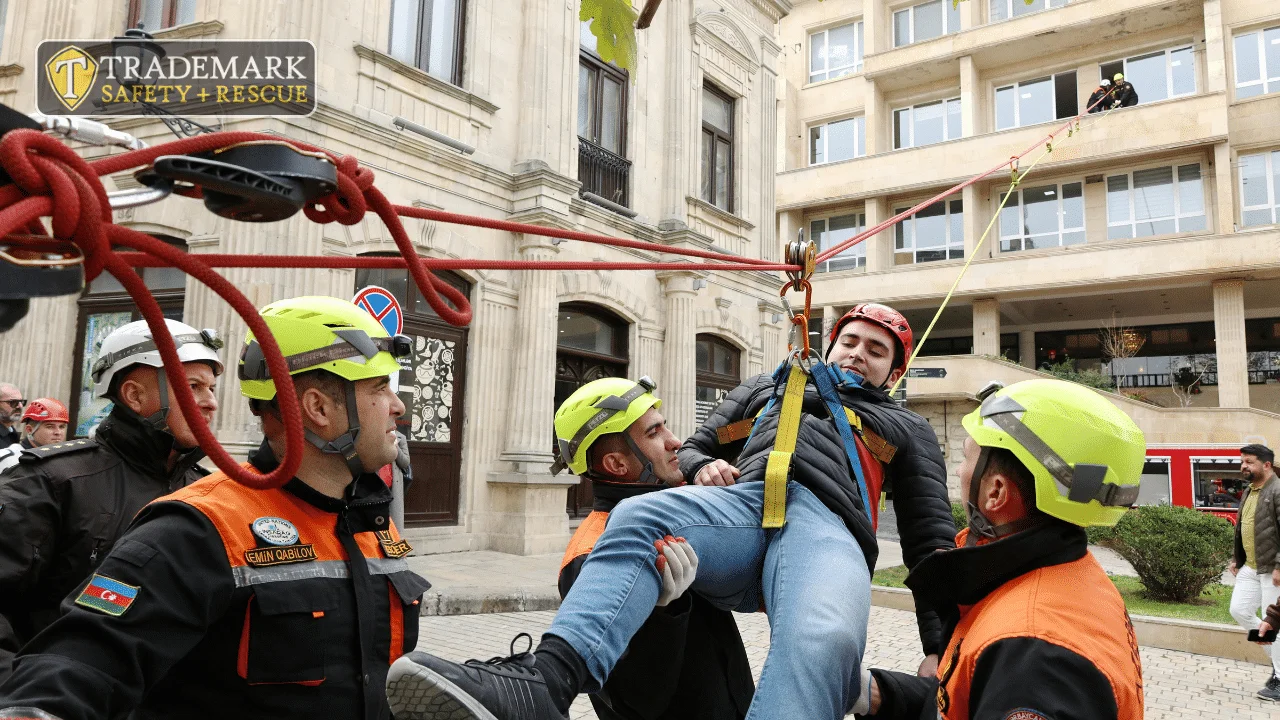
Rescue preparedness requires more than developing a written procedure. Personnel need appropriate training, equipment needs to be maintained and available, and the response should be practiced where appropriate.
Drills and exercises can reveal practical weaknesses that may not be obvious from reviewing a document. Communication problems, equipment positioning, access limitations, or uncertainty about responsibilities can then be addressed before an actual emergency.
Rescue arrangements should also be reviewed when there are significant changes to the confined space, work activities, hazards, equipment, personnel, or emergency response arrangements.
Making Rescue Planning Part Of The Work
Confined space rescue planning should be integrated into the preparation for the work rather than treated as a separate task completed at the last minute.
An effective confined space rescue plan for workplace safety considers the actual space, the hazards, the work being performed, the people involved, the equipment available, and the practical requirements of an emergency response.
For organizations undertaking confined space operations, evaluating these elements before entry can support a more prepared and coordinated approach to rescue.
Need Help With Confined Space Safety Planning?
Trademark Safety + Rescue provides confined space rescue planning and training to help organizations prepare for emergency situations and understand the responsibilities of everyone involved in confined space operations.
Contact Trademark Safety + Rescue to discuss confined space rescue planning and emergency response preparedness for your organization.
Contact Us Today
Leave a Reply