
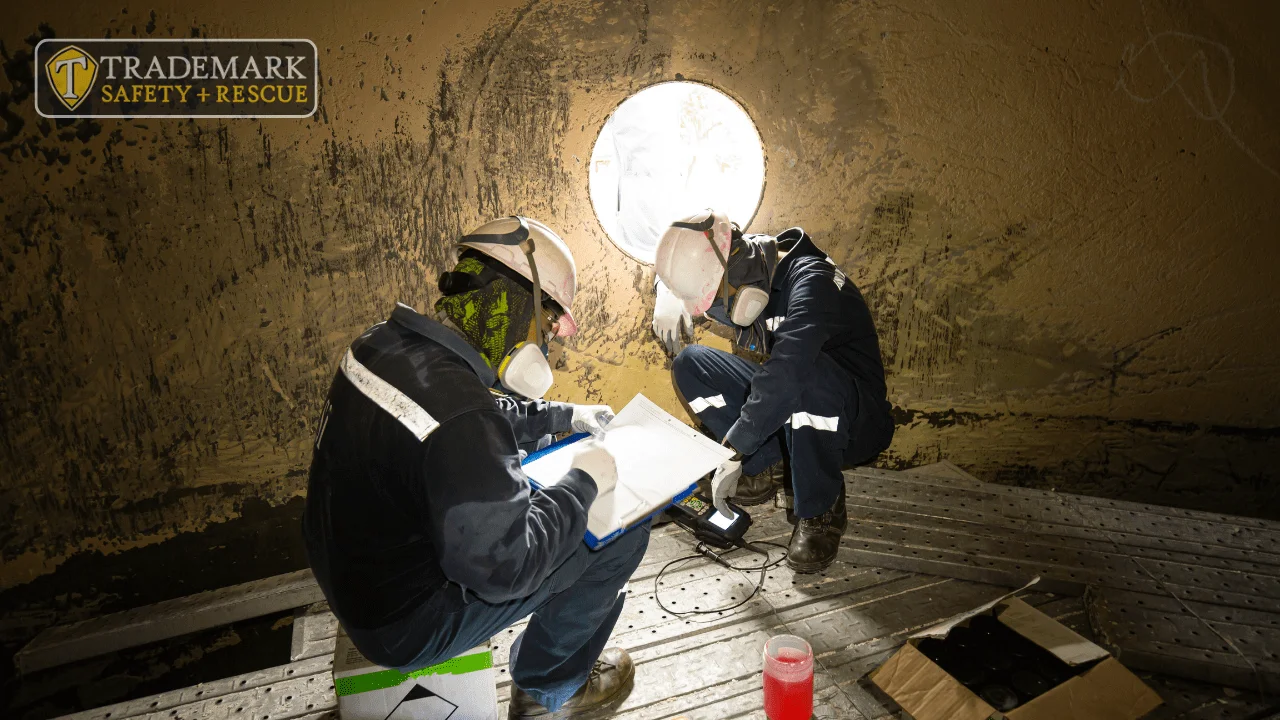
What Are Confined Space Attendants’ Responsibilities? A Complete Guide
Confined space work requires careful planning, trained personnel, and clearly defined safety roles. Among the most important roles is the attendant, who helps protect workers by monitoring conditions, maintaining communication, and responding during emergencies.
Understanding Confined Space Attendants ‘ responsibilities is essential for organizations that want to improve workplace safety and ensure every entry operation follows proper procedures. Trademark Safety + Rescue helps businesses prepare their teams with practical confined space safety training and rescue solutions.
Learn MoreWhat Are Confined Space Attendants’ Responsibilities?
A confined space attendant’s role typically includes monitoring authorized entrants, maintaining communication, controlling access to the space, recognizing potential hazards, and supporting emergency procedures when required.
The attendant remains outside the confined space throughout the entry and does not perform unauthorized rescues. Their role is focused on awareness, communication, and supporting a safe entry process from start to finish.
Why Is a Confined Space Attendant Important?
Confined spaces can present serious hazards, including limited airflow, changing atmospheric conditions, and restricted movement. These hazards may not always be visible, which makes constant monitoring necessary.
A trained attendant helps support safer confined space operations by:
- Watching workers inside the space
- Identifying warning signs quickly
- Maintaining communication
- Preventing unauthorized access
- Supporting emergency response efforts
A prepared attendant can help identify issues early and support appropriate responses before conditions become more serious.
What Does an Attendant Do Before Confined Space Entry?
Preparation is a key part of safe confined space operations. Before entry begins, the attendant should understand the work being performed and the potential hazards involved.
Important steps include:
- Reviewing the entry permit
- Understanding the hazards of the space
- Confirming communication methods
- Knowing the emergency response plan
- Verifying entrant information
- Checking that required safety equipment is available
Trademark Safety + Rescue emphasizes proper preparation because effective safety procedures begin before workers enter the confined space.
How Does an Attendant Monitor Workers During Entry?
The attendant must stay alert throughout the entire entry operation. Their attention should remain focused on the workers, the entry area, and any changes that could affect safety.
Tracking Authorized Entrants
The attendant keeps an accurate record of workers entering and exiting the space, helping ensure everyone is accounted for during normal operations and emergencies.
Maintaining Communication
Clear communication—through radios, voice communication, hand signals, or other approved systems—allows the attendant to identify problems quickly. If communication is interrupted, the situation should be addressed immediately.
Watching for Unsafe Conditions
The attendant should remain aware of worker discomfort or distress, equipment problems, environmental changes, and unauthorized personnel entering the area. Early recognition can help prevent dangerous situations.
What Should a Confined Space Attendant Do During an Emergency?
No. An attendant should not enter a confined space to attempt an unplanned rescue unless they are specifically trained, equipped, and authorized to perform a rescue.
Instead, they should:
- Contact the designated rescue team
- Follow the emergency response plan
- Alert supervisors or emergency personnel
- Prevent additional unauthorized entries
- Provide important information to rescuers
Trademark Safety + Rescue provides rescue-focused training that helps teams understand the importance of following proper emergency procedures instead of creating additional risks.
How Can Employers Improve Confined Space Safety?
A strong confined space safety program typically includes trained workers, appropriate equipment, and clear procedures.
Employers can improve safety by:
- Providing regular training
- Creating detailed entry procedures
- Conducting hazard assessments
- Maintaining rescue plans
- Reviewing safety practices regularly
Trademark Safety + Rescue can help organizations strengthen their confined space preparation and support worker readiness.
Frequently Asked Questions
Build a Safer Confined Space Program
Understanding confined space attendants’ responsibilities is an important step in supporting safer confined space operations. With proper training, clear communication, and effective emergency planning, teams can approach confined space work with greater preparation and confidence.
Trademark Safety + Rescue supports organizations with confined space training and rescue solutions designed to help workers understand their roles and improve workplace safety practices.
Need Confined Space Attendant Training?
Trademark Safety + Rescue helps organizations prepare Confined Space attendants with proper training, clear procedures, and rescue-focused emergency planning.
Contact Us Today
Leave a Reply